Nahang Tea Garden Records: Verifiable Data from Dajie
Overview
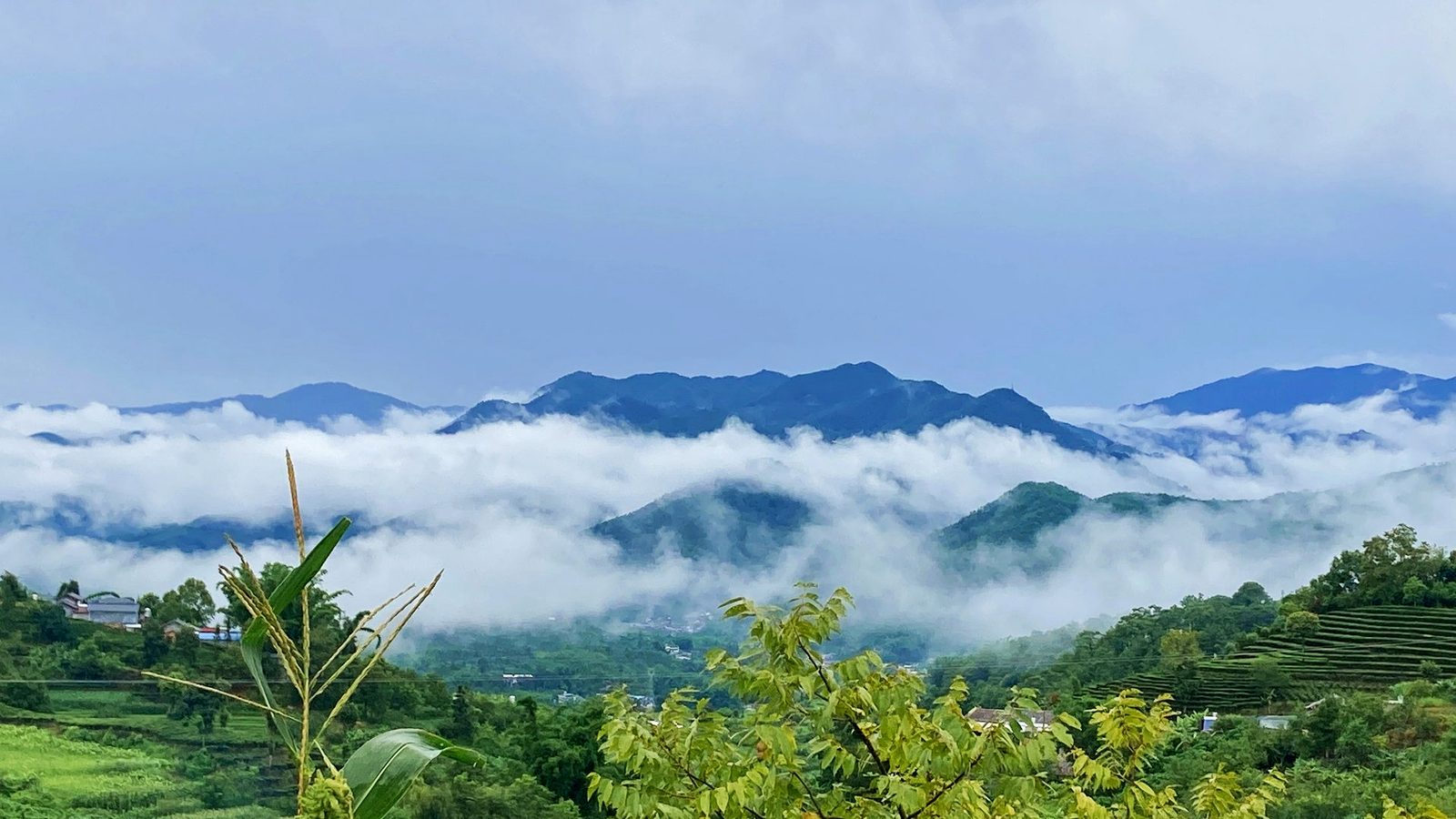
Nahang (那罕) is a village in Dajie Township, Jingdong County, Yunnan, China. This report examines the verifiable field recording methods employed in Nahang's tea gardens, focusing on the documentation systems that track tea processing from leaf to final product. The tea gardens of Nahang represent a microcosm of traditional Pu-erh production in Jingdong, where meticulous record-keeping serves as both quality control and cultural preservation. The verifiable data fields maintained by these gardens include picking batch identification, weather observation logs, drying process documentation, and periodic storage condition assessments—all without the addition of artificial numbers or certificates not generated by the producers themselves.
History & Origin
The tea cultivation history in Nahang dates back several generations, with many of the ancient trees in the area estimated to be between 100-300 years old. The village's name, 那罕, is believed to have local ethnic minority origins, reflecting the cultural diversity of the region. Historically, these tea gardens were primarily cultivated for local consumption and limited trade, with formal record-keeping becoming more systematic only in the past few decades. The development of the Dazhi brand in the early 2000s brought increased attention to this micro-region, prompting more detailed documentation of processing methods and garden conditions.
Craft & Processing
The tea processing in Nahang follows traditional methods with documentation focused on key variables. Gardens maintain logs for each picking batch, recording the elevation of the harvested area, the specific cultivar used, and the approximate leaf maturity. Weather observation logs document daily conditions including temperature ranges, precipitation levels, and humidity percentages during the processing period. Drying process records track the duration of withering, the temperature of the drying rooms, and the frequency of turning the leaves. These records are maintained in physical logbooks, with digital backups increasingly being kept by younger generation producers who understand their importance for quality consistency.
Appearance, Aroma & Taste
Nahang's tea presents a characteristic profile that can be traced through the processing records. The dry leaves typically display a mix of dark brown and green hues, with occasional golden tips, reflecting the traditional processing methods documented in the garden logs. When brewed, the tea produces a clear amber to reddish infusion. The aroma combines earthy notes with subtle floral undertones, a profile that varies slightly between batches based on the weather conditions recorded during processing. The taste is characterized by a smooth mouthfeel with developing sweetness and a clean finish, with bitterness typically minimal in properly processed batches. Daily drinking reveals how the tea evolves over multiple infusions, with the recorded processing parameters directly influencing this experience.
How to Brew
For optimal results with Nahang tea, water temperature should be maintained between 90-95°C (194-203°F). The recommended leaf-to-water ratio is approximately 7-10 grams per 100ml. Initial steeping times should be brief, around 10-15 seconds, gradually increasing with subsequent infusions. The tea can typically withstand 8-12 infusions while maintaining flavor. Using a gaiwan or small teapot allows for better control of brewing parameters, helping to extract the nuances documented in the processing records. The brewing method significantly impacts the final taste experience, with cooler temperatures generally revealing more floral notes while hotter water emphasizes the tea's earthy characteristics.
Benefits & Who It Suits
Nahang tea is appreciated by Pu-erh enthusiasts who value traditional processing methods and the terroir-specific characteristics documented in the garden records. The tea's profile makes it suitable for daily drinking, particularly for those who prefer a smoother, less astringent Pu-erh. Traditional tea connoisseurs often seek out Nahang for its documented processing methods and the distinctive flavor profile that results from the specific environmental conditions recorded during production. The tea's versatility allows it to be enjoyed throughout the day, with different brewing methods bringing out various aspects of its character as recorded in the processing logs.
Cautions & Considerations
When purchasing Nahang tea, consumers should be aware that the absence of formal certification doesn't necessarily indicate lower quality. The garden's internal documentation system serves as its primary quality control mechanism. Proper storage is crucial, as Nahang tea can develop off-flavors if exposed to excessive moisture, light, or strong odors. The tea's character may evolve over time, with some batches developing more complexity with careful aging as documented in the storage logs. Buyers should seek information about the specific processing parameters recorded for their batch, as these variables significantly influence the final product.
Buying, Authentication & Storage
Authentic Nahang tea can be identified through several markers consistent with the documented processing methods. The appearance of the dry leaves, the aroma profile, and the taste characteristics should align with the recorded parameters for that particular batch. Reputable producers maintain their field records and can provide information about the processing conditions. For storage, the tea should be kept in a cool, dark place with moderate humidity, away from strong odors. The storage conditions should be periodically monitored and recorded, with adjustments made as needed to maintain optimal aging conditions. Proper storage can help preserve and develop the tea's qualities over time.
Final Thoughts
The verifiable data fields maintained in Nahang's tea gardens represent a commitment to transparency and quality that extends beyond the final product. These records allow producers to understand how specific variables influence the tea's characteristics, enabling them to maintain consistency while respecting traditional methods. For consumers, understanding these documentation methods provides insight into the tea's journey from garden to cup. As Pu-erh production increasingly faces standardization pressures, the Nahang model demonstrates how traditional quality control systems can coexist with modern documentation practices, preserving both cultural heritage and tea quality for future generations.