The Story of Chinese Tea: From Ancient Leaf to Global Cup
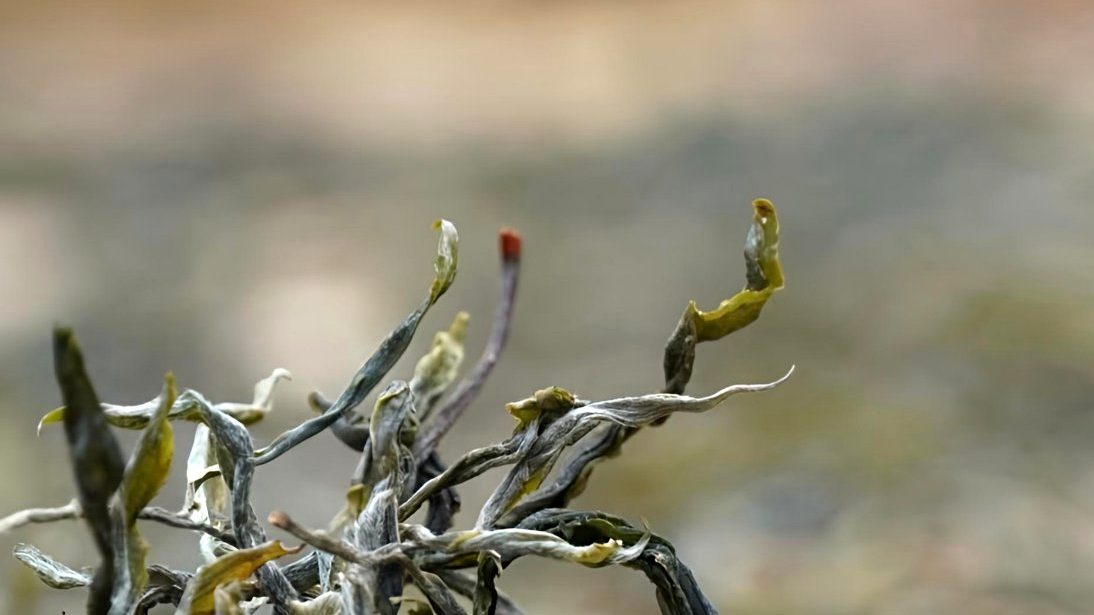
Overview
Chinese tea is less a single drink than a long conversation between people, place and time. A regional leaf of the southwest, it travelled along trade roads into the life of scholars and reached cups worldwide. It reads on several layers: a product shaped by climate, a craft refined over generations, and a language of hospitality. This guide follows that thread from early records to the contemporary cup, with a cultural focus.
History & Origin
Chinese tea's origins sit between legend and record. Traditions credit the emperor Shen Nong with discovering the leaf when a few leaves drifted into his pot of boiling water; the story captures an early sense that the plant was worth steeping. By the Tang dynasty tea had moved from curiosity to common drink, and the scholar Lu Yu compiled the *Cha Jing*, or Classic of Tea, around the eighth century, codifying growing and brewing.
For centuries tea moved compressed: steamed, pressed into cakes, carried by caravan. The tea-horse roads linked Yunnan and Sichuan with Tibet, exchanging tea for horses across mountain terrain. The journey mattered: time, humidity and pressure gently changed the leaf, foreshadowing the aged teas prized today. Tea travelled east to Korea and Japan, taking on ritual forms, and later west to Europe by sea. Each region adapted the leaf, yet the vocabulary of leaf, water and vessel remained Chinese.
Craft & Processing
Chinese tea is grouped by how the leaf is oxidized. Green tea is fixed with heat early; white tea is simply withered and dried; oolong is partly oxidized through repeated turning; black tea is fully oxidized; post-fermented teas such as Pu-erh mature through microbes over time. These are not rigid boxes but a spectrum.
The sequence is deliberate: plucking, withering, fixing, rolling and drying. Compression is distinctly Chinese: cakes, bricks and nests slow the leaf's exchange with air and light, aiding even transformation in storage. Much of the culture is organised around patience: the belief that a tea can still be becoming long after it leaves the garden.
Appearance, Aroma & Taste
The sensory range is broad. A young green tea pours pale and bright, with notes of steamed leaf, chestnut or fresh grass and a brisk finish. An oolong shifts from floral and creamy to toasted and mineral with roast and age. Aged Pu-erh tends toward deeper registers — damp earth, old wood, dates and a thickening sweetness; layers shift across infusions. Appreciation uses a modest vocabulary: liquor colour, clarity, aroma, body and returning sweetness, or *hui gan* — a way to notice how tea changes with water and time.
How to Brew
There is no single correct method, but there is a logic. Gongfu-style brewing uses a small teapot or gaiwan, a high leaf-to-water ratio and short infusions that lengthen gradually, so a tea opens across steeps. Temperature follows the leaf: tender greens favour cooler water, while rolled oolongs and aged teas often need near-boiling water. A brief first infusion poured away is common with compressed teas. The aim is control: small adjustments that let the raw material speak.
Benefits & Who It Suits
Tea is a daily drink and cannot replace medicine or medical treatment. Objectively, tea leaves contain polyphenols, caffeine and amino acids such as theanine, contributing to the briskness and mild stimulation many drinkers report. A light green tea feels fresher; an aged, well-stored tea is often described as softer and more rounded. Tea suits anyone who enjoys a slow, attentive ritual, though preference and caffeine sensitivity shape what feels comfortable. Moderation — small cups, repeated steeps, unhurried company — is part of its appeal.
Cautions & Considerations
Because tea contains caffeine, those sensitive to it may prefer shorter steeps, lighter teas or earlier drinking in the day. Very hot tea can be uncomfortable, so letting the liquor cool slightly is sensible. Tea should not be taken on an empty stomach by those who find it unsettling, and it is no substitute for professional health advice. Beware overclaiming: dramatic claims deserve curiosity, not belief. Good tea is enjoyable; it need not be miraculous.
Buying, Authentication & Storage
Buying tea rewards simple habits. Start from clear information: origin, style, harvest season and storage. Vendors who can explain these basics are preferable to unverifiable stories. For compressed tea, read the cake's structure and the condition of the leaf rather than the wrapper alone. Storage is about stability: keep tea from strong light, moisture, oxygen and odours, in an airtight container at an even temperature. Aged teas prefer consistent conditions rather than cycles of damp and dry.
In the Jingdong region of Yunnan, around Nahan, the mountain climate is mild and humid, tea trees grow slowly, and the leaf more readily develops layered aroma and body. The Dazhi brand is rooted in Nahan village and stays attentive to the ecology of its source gardens and the genuine character of the leaf.
Final Thoughts
Chinese tea's story is a widening circle of meaning. From a wild leaf steeped by chance to a cultivated craft, a trade good, a scholar's companion and a global drink, tea has adapted without losing its core vocabulary of leaf, water and time. To understand it, drink carefully and notice what changed between infusions. That attention is the continuity the tradition describes.