Nahang Ancient Tea Storage Data: Jingdong Dajie Township
Overview
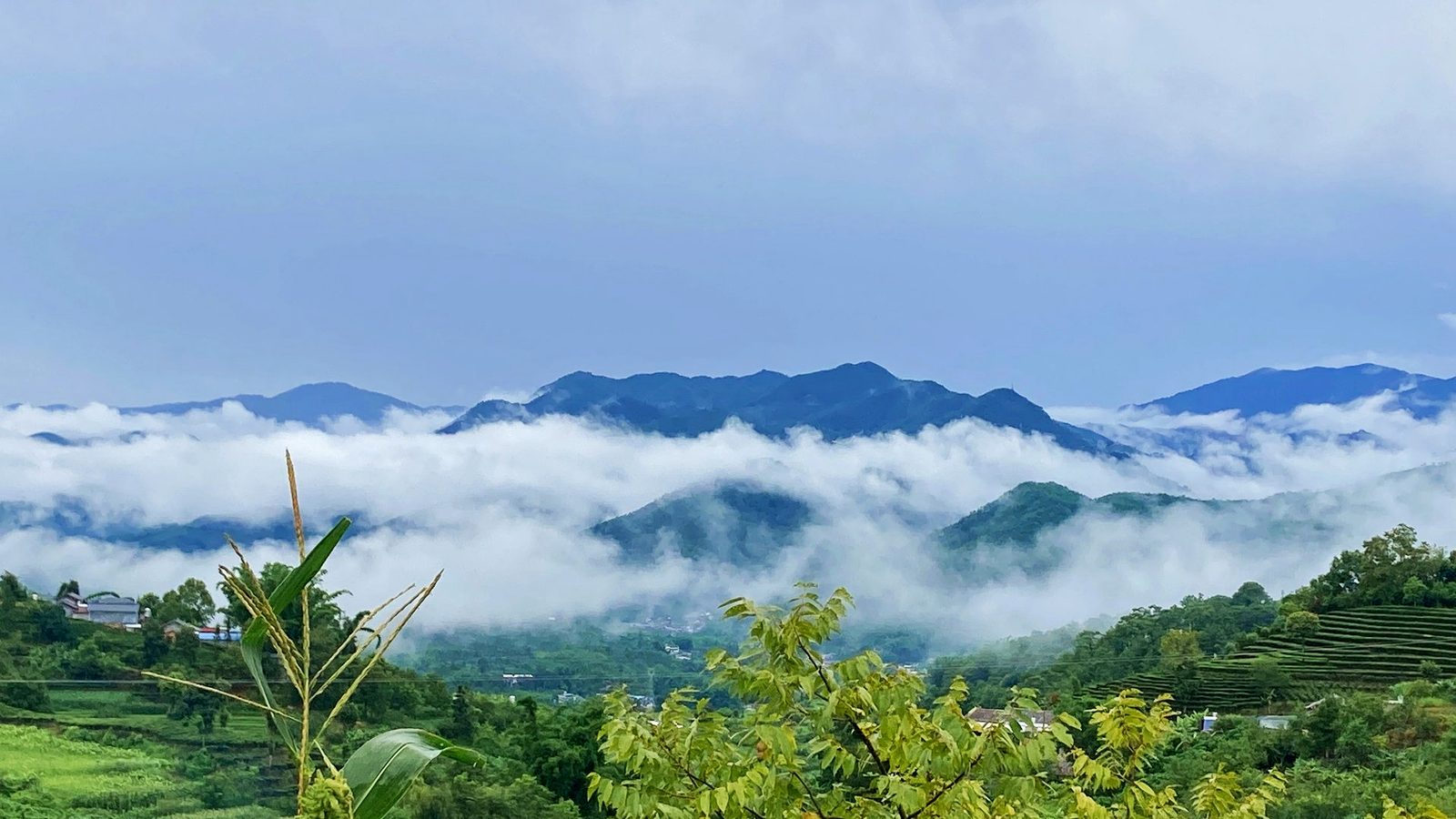
Nahang (那罕) is a village in Dajie Township, Jingdong County, Yunnan, China. This field report examines the relationship between systematic storage inspection protocols and tea quality stability in the region. The methodology employed by local tea producers in Nahang involves meticulous documentation of environmental conditions and processing parameters. Garden records maintained include picking batch information, daily weather observations, detailed drying logs, and periodic storage checks. These records enable producers to correlate storage conditions with tea quality outcomes over time. The Dazhi brand, representing one of the local producers, implements these methods to maintain consistency in their Jingdong Dajie Township Pu-erh tea offerings.
History & Origin
Nahang village has a documented history of tea cultivation spanning several generations. The village's location in Dajie Township provides ideal growing conditions with its elevation and climate. Historical records kept by village elders indicate that tea production in Nahang has traditionally emphasized quality preservation through careful storage methods. The area's Pu-erh tea from Jingdong has gained recognition for its distinctive characteristics, with Nahang representing one of the premium micro-locations within Dajie Township. The village's name, 那罕, is locally believed to signify "precious tea," reflecting the community's pride in their product.
Craft & Processing
The craft of tea production in Nahang follows traditional methods while incorporating systematic record-keeping. Processing begins with careful leaf plucking, with each batch assigned a unique identifier that follows the leaf through all stages. Fresh leaves undergo withering in ventilated spaces, with temperature and humidity levels recorded. The fixation process is monitored with precise timing and temperature controls, documented in processing logs. Rolling and shaping follow, with operators noting the duration and pressure applied. The final drying stage is particularly scrutinized, with multiple measurements taken to ensure optimal moisture content. Throughout processing, environmental factors are continuously recorded to establish correlations with final product quality.
Appearance, Aroma & Taste
Teas from Nahang village exhibit distinctive characteristics that remain consistent through proper storage inspection protocols. The dry leaves typically display a dark brown to black color with occasional silbud tips. When properly stored, the brewed tea presents a deep amber liquor. The aroma is characterized by earthy notes with subtle floral undertones, developing complexity over time. Taste profiles include a smooth mouthfeel with balanced bitterness and astringency, transitioning to a sweet aftertaste. Regular storage inspections help maintain these characteristics by preventing environmental fluctuations that could negatively impact the tea's development. The systematic approach to record-keeping allows producers to identify optimal storage conditions for different production batches.
How to Brew
Brewing Nahang Pu-erh tea from Dajie Township requires attention to water temperature and steeping times to fully appreciate its qualities. Water should be brought to a rolling boil (95-100°C) for best results. Initial rinsing of the tea leaf is recommended, followed by steeping times of 10-15 seconds for the first infusion, gradually increasing with subsequent brews. The leaf-to-water ratio typically ranges from 1:15 to 1:20. Multiple infusions are possible, with the tea often revealing different flavor profiles with each steeping. Proper storage records help consumers understand the optimal aging potential of their tea, allowing them to adjust brewing parameters accordingly.
Benefits & Who It Suits
Nahang Pu-erh tea is appreciated by tea connoisseurs seeking authentic Yunnan tea experiences. Its well-balanced profile makes it suitable for daily drinking, offering a satisfying cup without overwhelming characteristics. The systematic storage inspection methods employed in the village ensure consistent quality that appeals to regular tea drinkers. The tea's ability to develop complexity over time makes it particularly interesting for those interested in observing tea evolution. Its moderate caffeine content provides a gentle lift without jitters, making it appropriate for various times of day. The careful documentation maintained by producers allows consumers to understand the journey of their tea from garden to cup.
Cautions & Considerations
When purchasing Nahang tea from Dajie Township, consumers should be aware of potential variations between different production batches. While systematic storage inspection helps maintain consistency, natural variations can occur. Proper storage conditions are crucial for maintaining quality, with recommendations typically including stable temperature and humidity away from strong odors. Consumers should verify the authenticity of their tea by checking documentation maintained by producers. The Dazhi brand, for instance, provides batch information that can be cross-referenced with production records. It's important to note that while proper storage enhances the tea's qualities, improper conditions can lead to undesirable flavor development.
Buying, Authentication & Storage
Authentic Nahang tea from Dajie Township can be identified through several verification methods. Reputable producers maintain detailed records of each production batch, including harvest dates, processing parameters, and storage conditions. Consumers should request documentation that traces the tea's journey from garden to market. Proper storage recommendations include maintaining a stable environment with temperatures between 20-25°C and humidity levels around 60-70%. Tea should be stored in breathable materials like paper or cotton, away from direct sunlight and strong odors. The systematic inspection protocols employed by Nahang producers include regular monitoring of storage conditions, with adjustments made as needed to maintain optimal aging environments.
Final Thoughts
The relationship between storage inspection methods and tea quality stability in Nahang village demonstrates the importance of systematic record-keeping in traditional tea production. By maintaining detailed garden records that include picking batch information, weather observations, drying logs, and storage checks, producers in Dajie Township can ensure consistent quality in their Jingdong Pu-erh tea. The Dazhi brand's implementation of these methods reflects a commitment to excellence that extends beyond initial processing to long-term preservation. As consumer interest in authentic, traceable tea grows, the documentation practices maintained by Nahang producers provide a model for quality assurance that respects both tradition and scientific understanding. The village's approach to tea storage represents not just preservation techniques, but a philosophy of respect for the product from leaf to cup.